A Review of the Pixii Camera
It is so rare to hold a piece of true high tech in your hands: Modern cameras cram almost physics-defying sensors and lenses into a consumer-affordable device1. But do we need all that? That's the question asked by the Pixii camera, a boutique French camera, that foregoes most of these modern amenities and boils the camera down to the bare essentials: A lens, an aperture, a shutter, and a sensor.
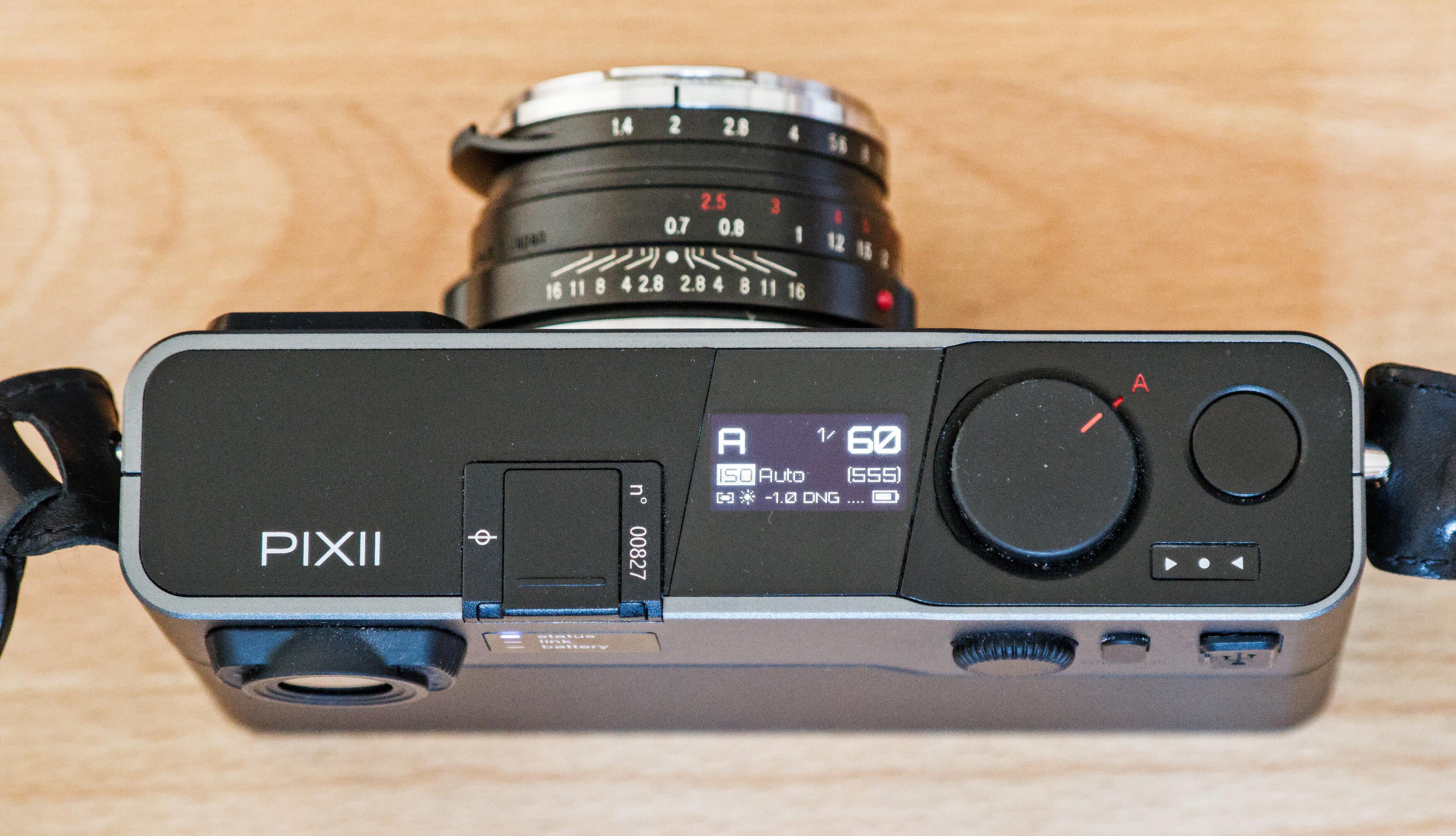
There's an aperture ring and a manual focusing tab on the lens, there's an unmarked shutter speed dial on top, a shutter button, and a menu to set auxiliary things such as your ISO, light meter settings, and file format. And that's about it.
Crucially, there is no screen on the back, no autofocus, and just a window finder with an optomechanical rangefinder for focusing. It feels and acts like a mechanical analog camera, but takes digital pictures. In contrast to the otherwise-similar Leica M cameras, however, the Pixii is a very new product, introduced in 2018 by a small French company.
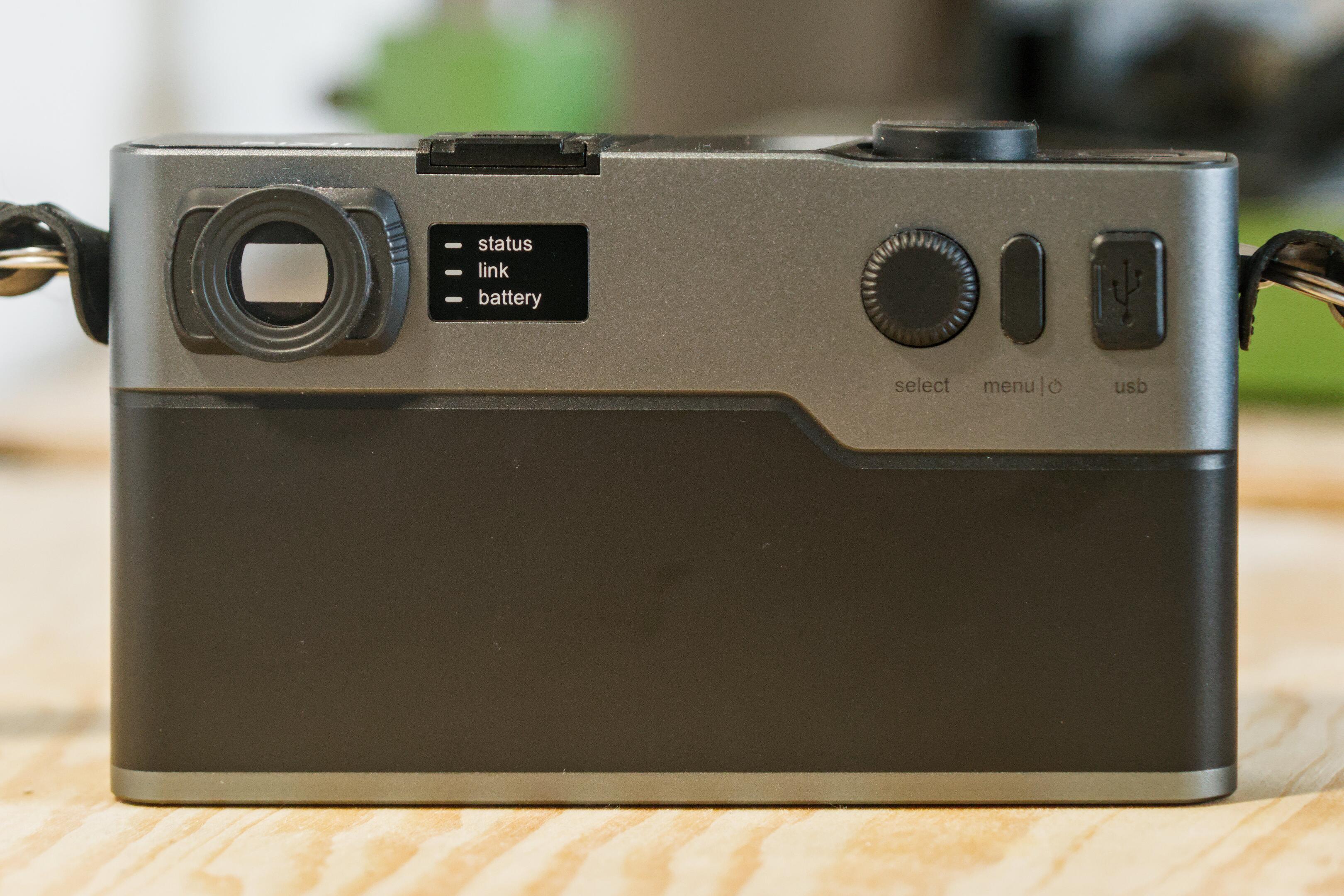
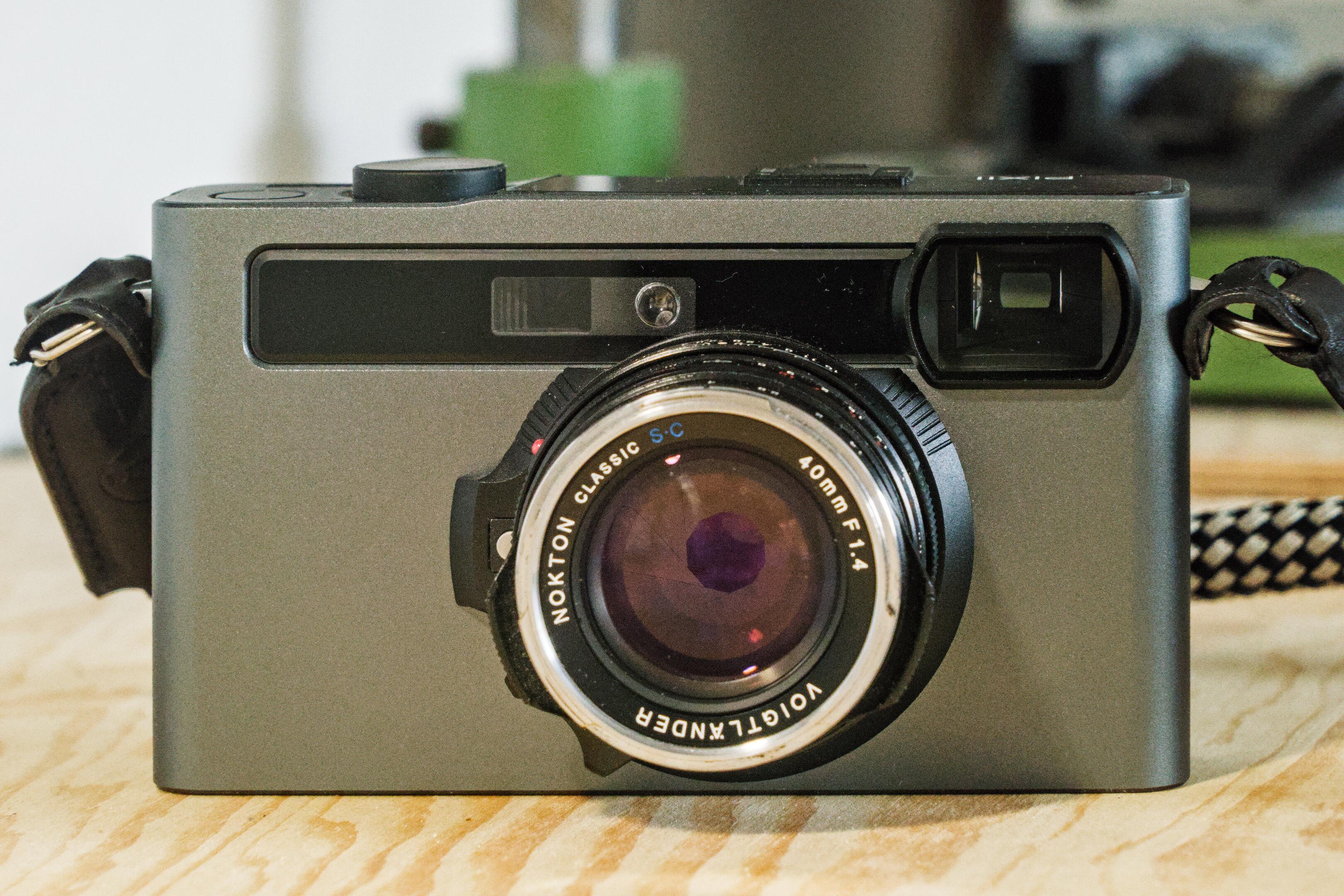
Camera manufacturers measure their legacy in centuries2, so a truly new camera is a modern miracle. I have been extremely interested in trying out a Pixii camera, but figured they'd be too rare to ever get ahold of one. However, the same friend and avid camera collector who last year gave me a Leica M240 to try, now found a Pixii, and graciously loaned it to me for a few weeks.
And what a fascinating camera it is: There is such a joyful simplicity to its operation. The basic verbs of photography are available as tactile dials, for focusing, composing, and shooting, but everything else is either automated or removed entirely. No screen, no chimping3, no worrying about scene modes or subject tracking or picture profiles. I like that. It's just the right kind of friction to prompt me to simplify and be present.
Of course you need to meet it on its own terms. This is not a speedy sports camera. It does take a few seconds to turn on. But shot-to-shot times are reasonable, and the shutter fires with little delay. What it tries to do, it does very well. When shooting, the camera beautifully fades into the background, and lets me focus on the light and the scene.



There are other minor gripes of course, such as the battery being a bit on the weak side, the file transfer being unnecessarily finicky and slow, perhaps the somewhat odd timing of the power button. But that's a small price to pay for a unique experience.
What is not acceptable, however, is that it sometimes randomly overexposes shots, sometimes corrupts files, and that the white balance can be so temperamental as to be useless. These are serious software issues, and it frankly gives me pause that Pixii wasn't able to fix them in the eight years since the camera has been released.
But what can I say, there is something ineffably charming about the Pixii. For reasons that I'm struggling to articulate, it is just a fun shooter. In fact, I find it more engaging than the Leica M240 I tried a year ago. Perhaps I like the more modern feel of it, the lower weight, the French quirkiness. The charming animations on its anachronistic dot-matrix LED display, and the sleek modern design.
I can clearly see what they're trying to do here, and largely agree with their goals: This is a camera that's meant to be used through the viewfinder, so a lack of labels on the buttons is not a failure of design, but a conscious encouragement to use that viewfinder. The menu system is simplistic, but makes sense when used in the viewfinder. The lack of a back screen, the simple shape-and-texture coded buttons, they all make sense. Perhaps it's this cohesion of design that so attracts me to the camera.
I have a strange affection for the Pixii camera. It is such a unique piece of kit, so full of character, and obvious love for the concept. This is surely not a camera for everybody, but it's an experience you can't get anywhere else, and that's worthy of praise. If only they could fix those digital issues I mentioned earlier, and speed up the startup process a bit, I might just buy one myself.
your camera can sense light level differences of a dozen-or-so photons, your image stabilization is only limited by the rotation of the earth, and all of that runs on a power budget that would make your phone blush in shame.↩
the otherwise newest photography companies were probably Sigma from 1961 and Sony from 1946 – perhaps excluding Phase One from 1993, which mated Phase One's original digital sensor with Mamiya's heritage in optics and mechanics.↩
that's reviewing your every picture on the screen to make sure everything's ok.↩
